

'%3e%3cpath%20id='Vector'%20d='M10%2020C15.5228%2020%2020%2015.5228%2020%2010C20%204.47715%2015.5228%200%2010%200C4.47715%200%200%204.47715%200%2010C0%2015.5228%204.47715%2020%2010%2020Z'%20fill='%23F0F0F0'/%3e%3cpath%20id='Vector_2'%20d='M19.378%2013.4782C19.78%2012.3949%2020%2011.2232%2020%209.99997C20%208.77677%2019.78%207.60505%2019.378%206.52173H0.621992C0.220039%207.60505%200%208.77677%200%209.99997C0%2011.2232%200.220039%2012.3949%200.621992%2013.4782L10%2014.3478L19.378%2013.4782Z'%20fill='%230052B4'/%3e%3cpath%20id='Vector_3'%20d='M9.99996%2020.0003C14.2996%2020.0003%2017.965%2017.2865%2019.378%2013.4785H0.621948C2.03488%2017.2865%205.70031%2020.0003%209.99996%2020.0003Z'%20fill='%23D80027'/%3e%3c/g%3e%3cdefs%3e%3cclipPath%20id='clip0_1220_11026'%3e%3crect%20width='20'%20height='20'%20fill='white'/%3e%3c/clipPath%3e%3c/defs%3e%3c/svg%3e)
'%20fill-rule='evenodd'%20clip-rule='evenodd'%20d='M5.08422%204.91602C5.59013%204.41012%206.41036%204.41012%206.91627%204.91602L19.1299%2017.1297C19.6358%2017.6356%2019.6358%2018.4558%2019.1299%2018.9617C18.624%2019.4676%2017.8038%2019.4676%2017.2979%2018.9617L5.08422%206.74807C4.57831%206.24217%204.57831%205.42193%205.08422%204.91602Z'%20fill='%23002168'/%3e%3cpath%20id='Vector%202466%20(Stroke)'%20opacity='0.4'%20fill-rule='evenodd'%20clip-rule='evenodd'%20d='M4.91627%2018.916C4.41036%2018.4101%204.41036%2017.5899%204.91627%2017.084L17.1299%204.87031C17.6358%204.36441%2018.4561%204.36441%2018.962%204.87031C19.4679%205.37622%2019.4679%206.19646%2018.962%206.70236L6.74832%2018.916C6.24241%2019.4219%205.42218%2019.4219%204.91627%2018.916Z'%20fill='%23002168'/%3e%3c/g%3e%3c/svg%3e)


Nevrolog
A neurologist is a specialist who treats neurological disorders and diseases of the brain. A neurologist can treat both adults and children. The specialist undergoes training at a higher educational institution and additional training. Neurological diseases require special professionalism, as they directly affect the functioning of the nervous system. It is noteworthy that the pediatric neurologist, in addition to the child himself, always listens to the words of the accompanying parents. This is very important, because a small patient cannot always correctly convey his complaints and talk about the symptoms that bother him.
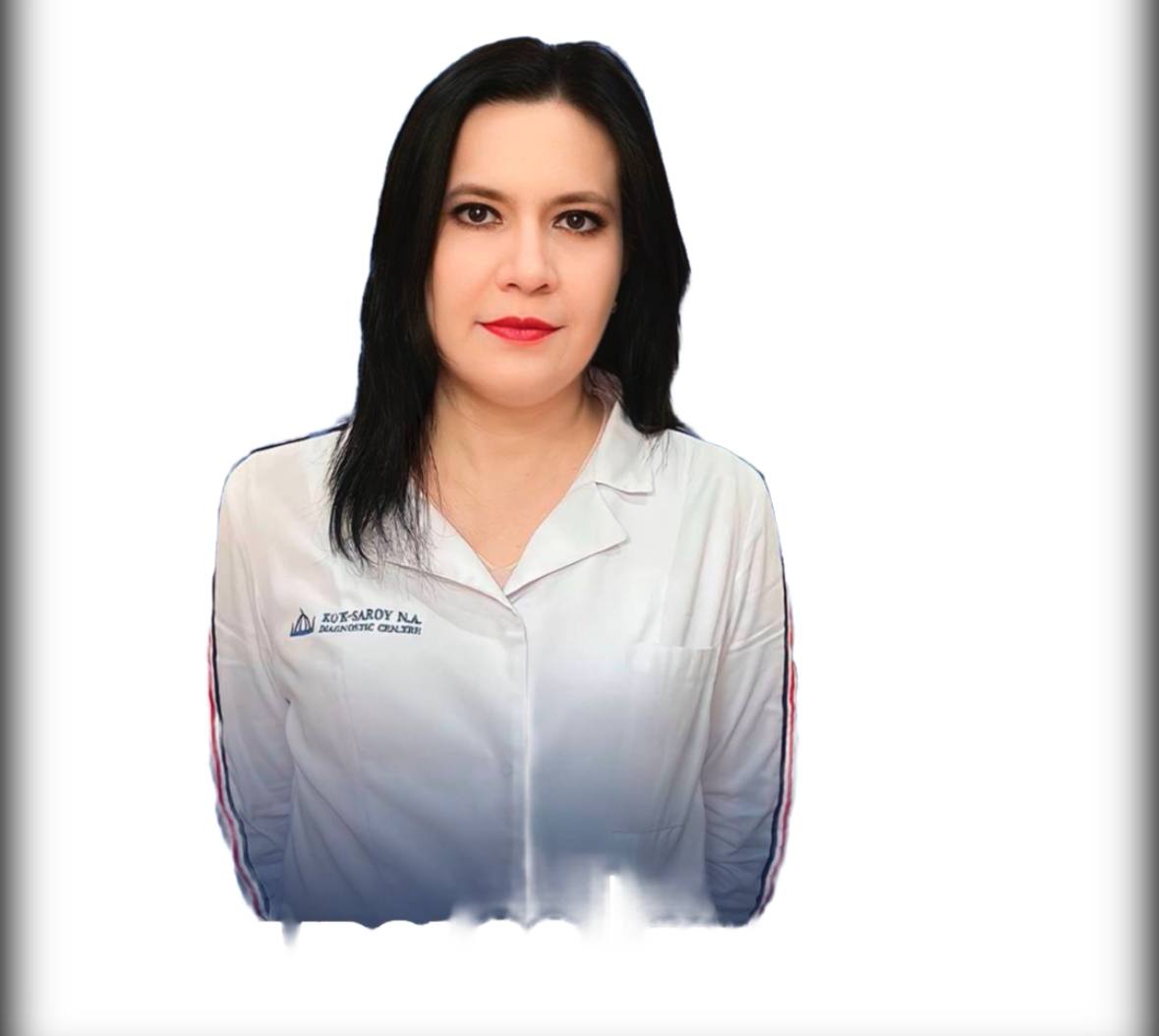
Ponomareva Nina Mixaylovna
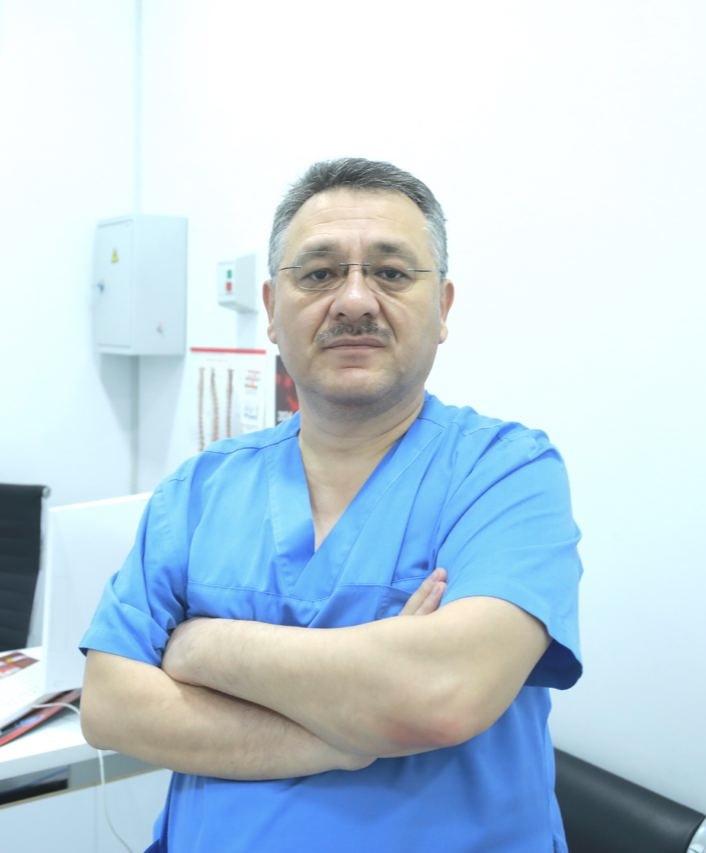
Ergashev Azamat Karimovich

Matyakubova Shahlo Aybekovna
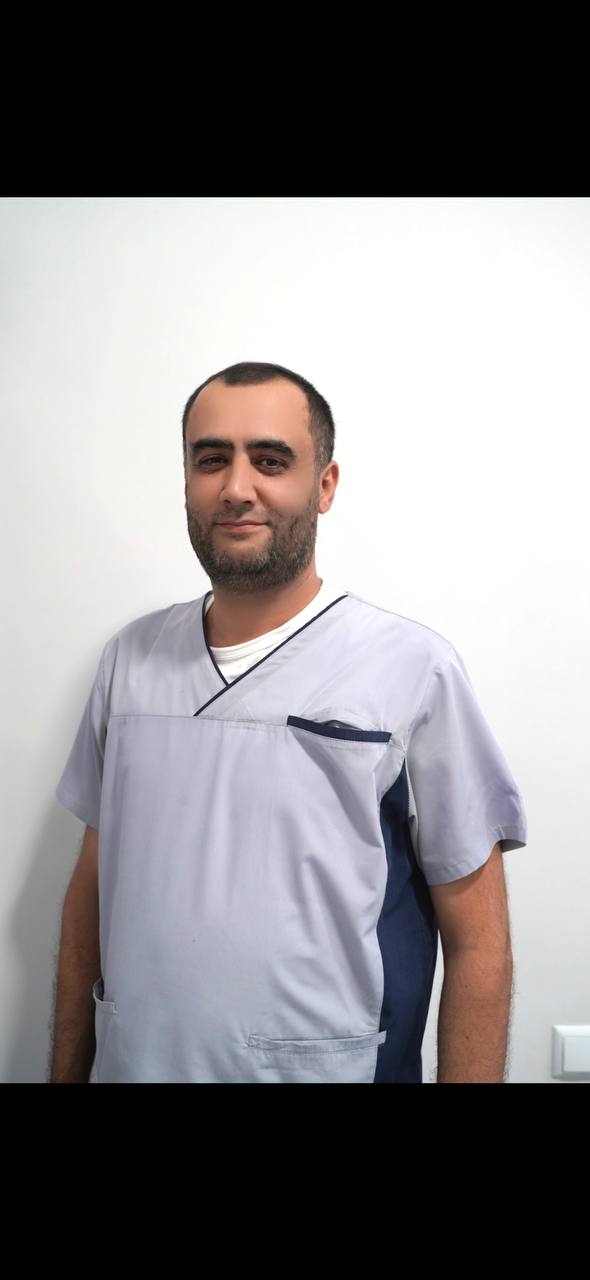
Ashurov Axbor Akbarovich
Rakhimkorieva Feruza Abduzhabborovna
Rustamov Shakhboz Rustam Ugli 1
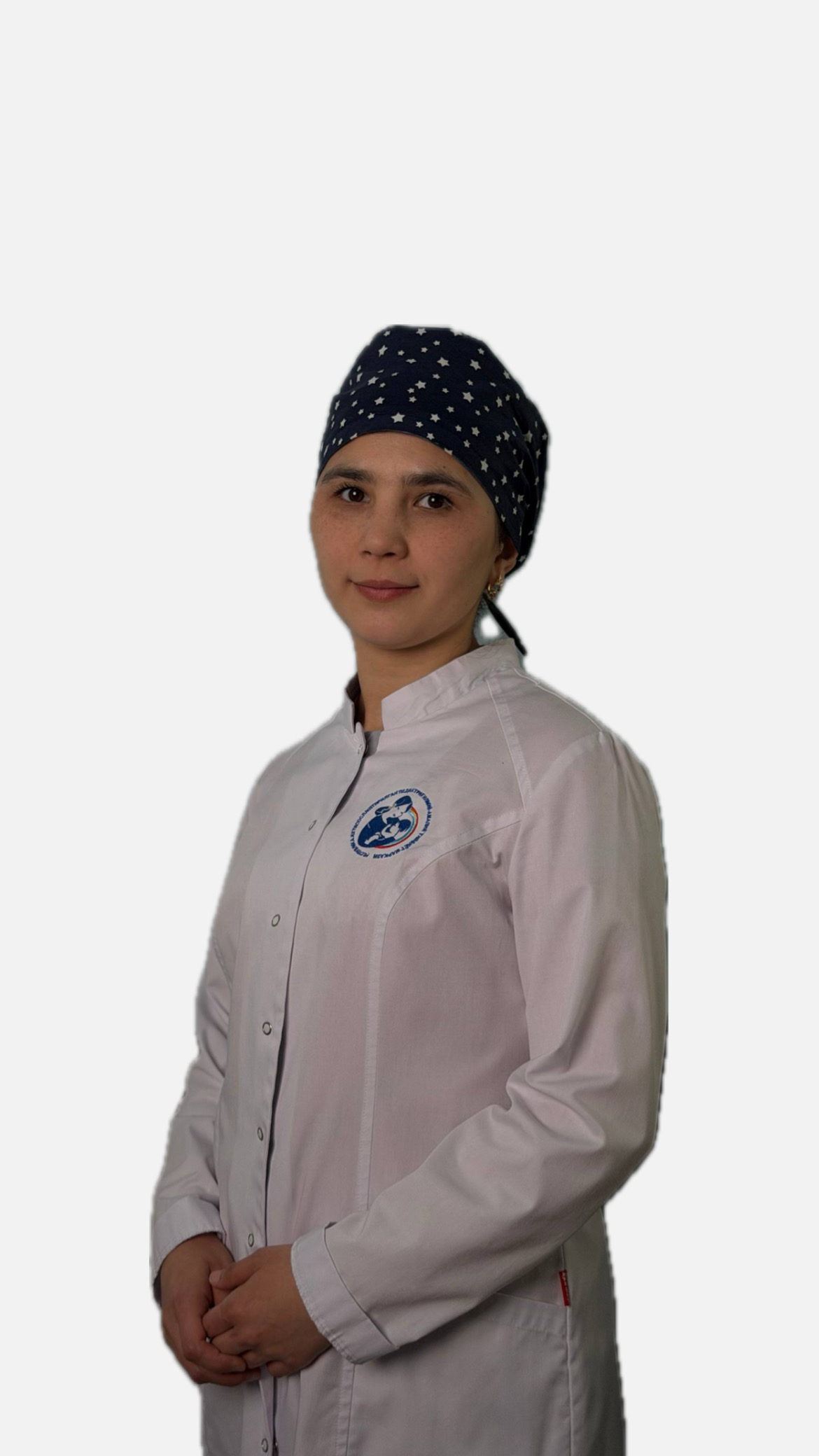
Halikova Dilorom Narimonovna
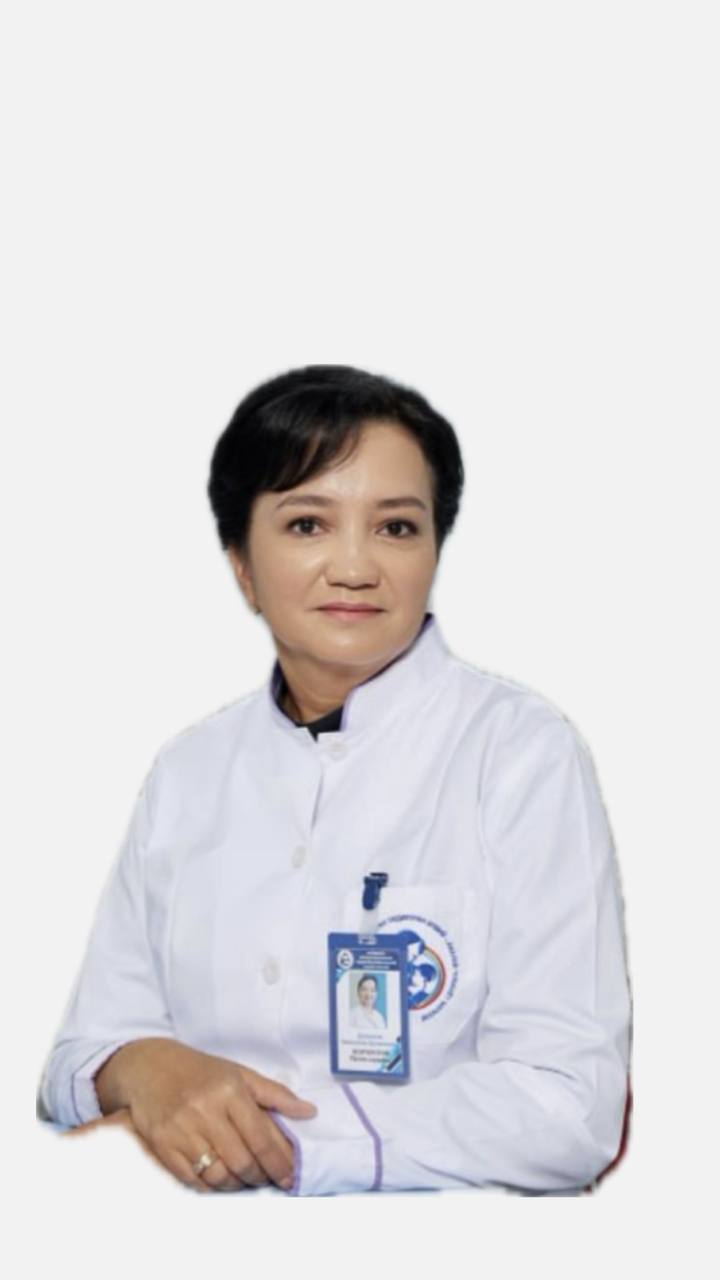
Shаgiyasova Zhamila Akilovna
Tairova Diliarom Zakirovna
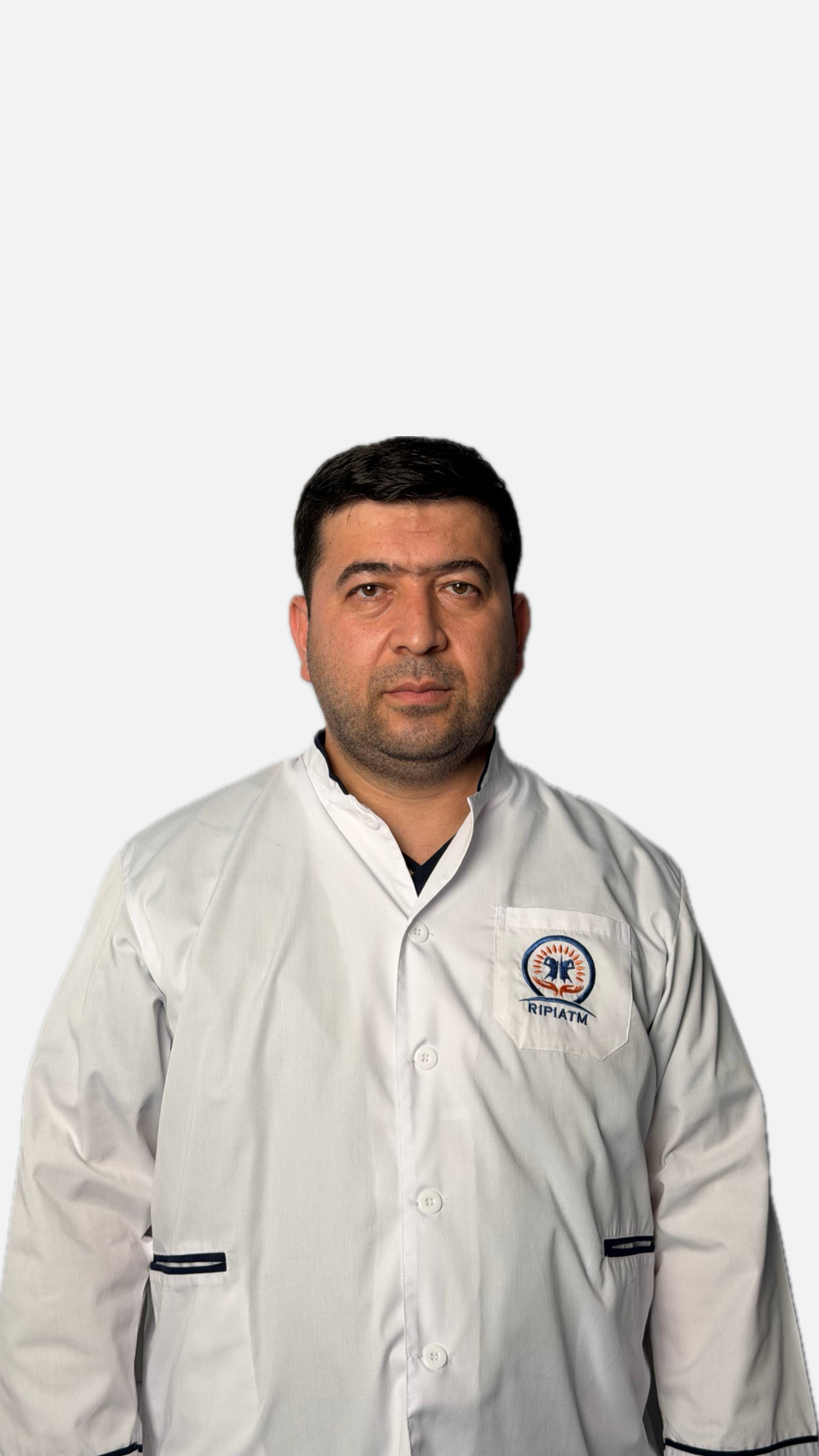
Jalolov Shuhratilla Shokirovich
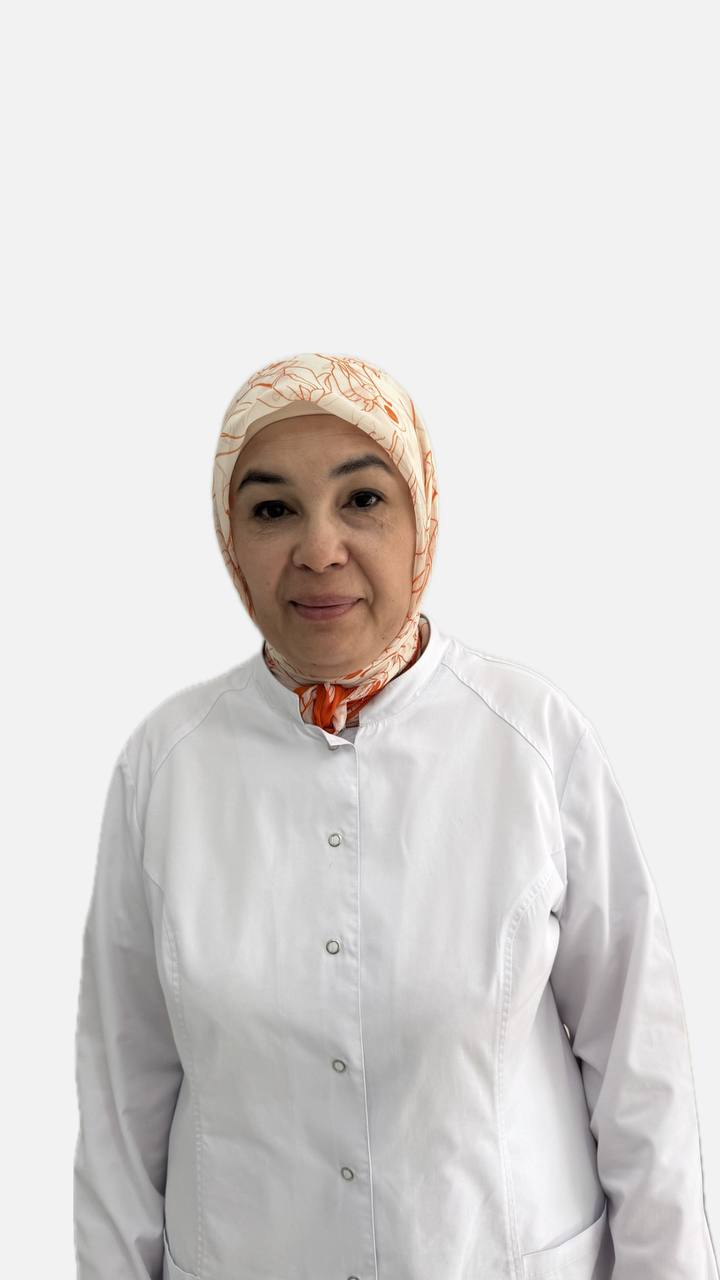
Azimova Feruza Botirjanovna
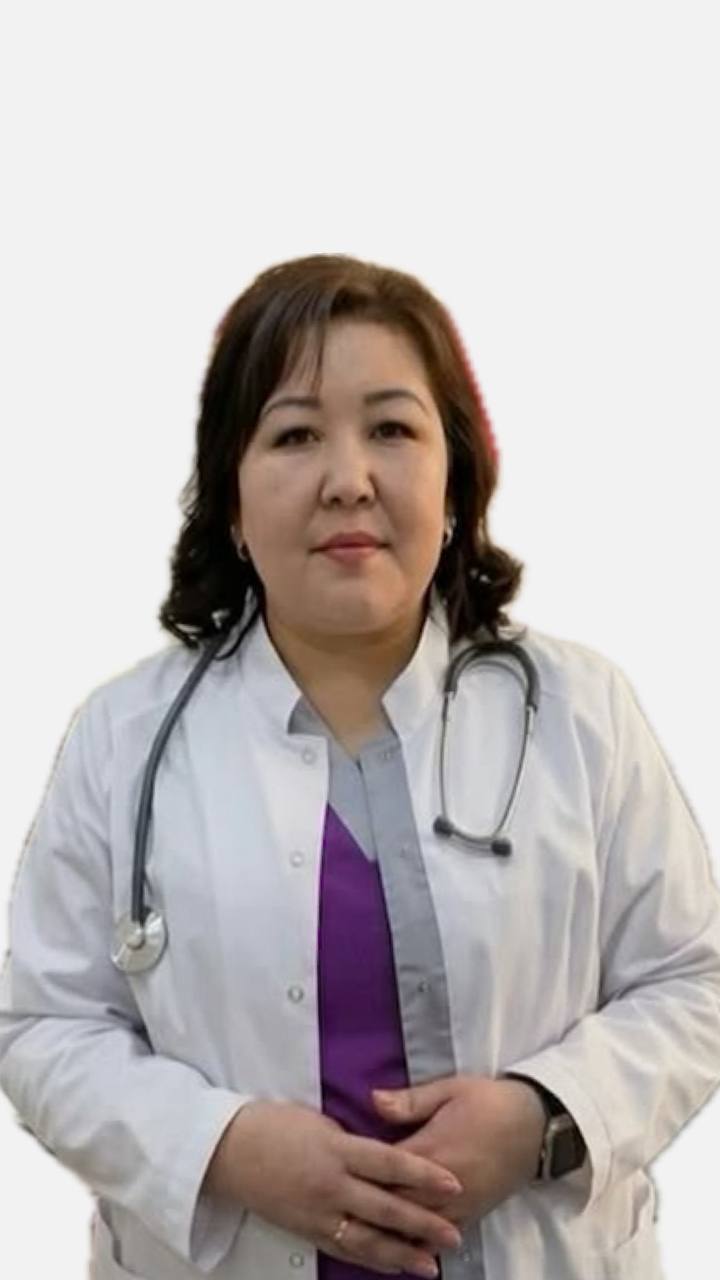
Muhammadieva Mohira Abdurahimova
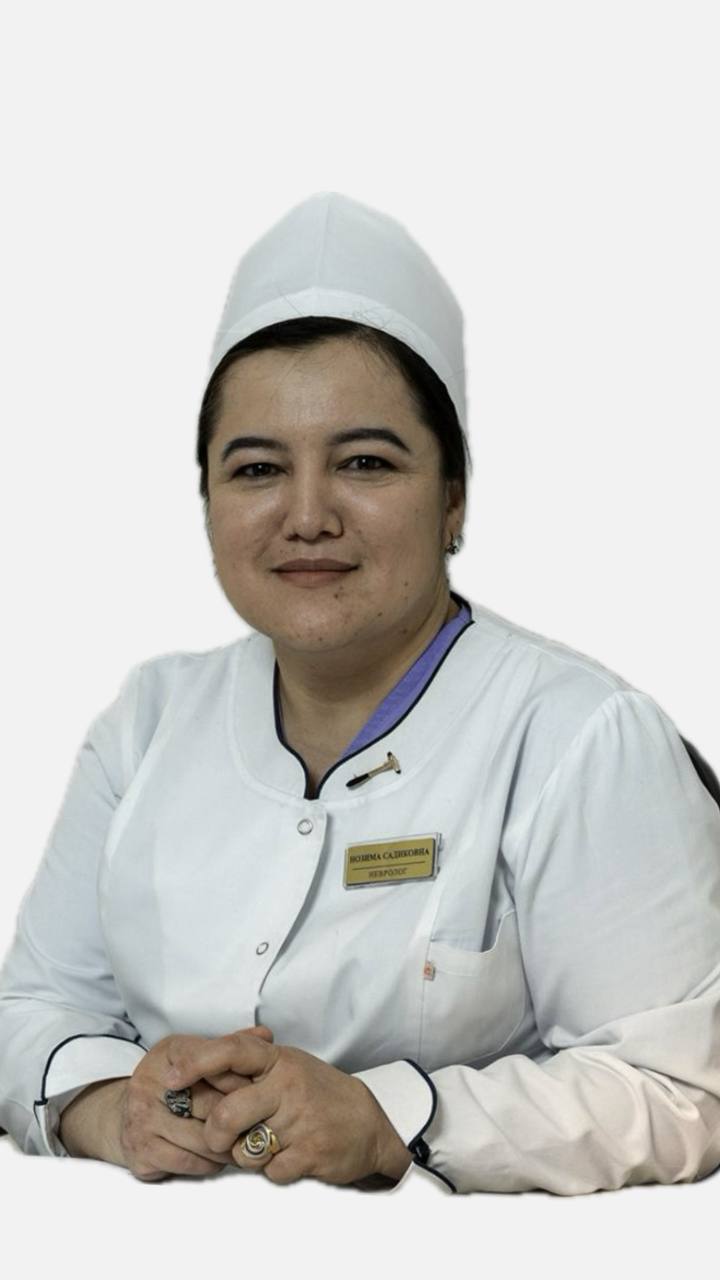
Nurmatova Nozima Sadikovna
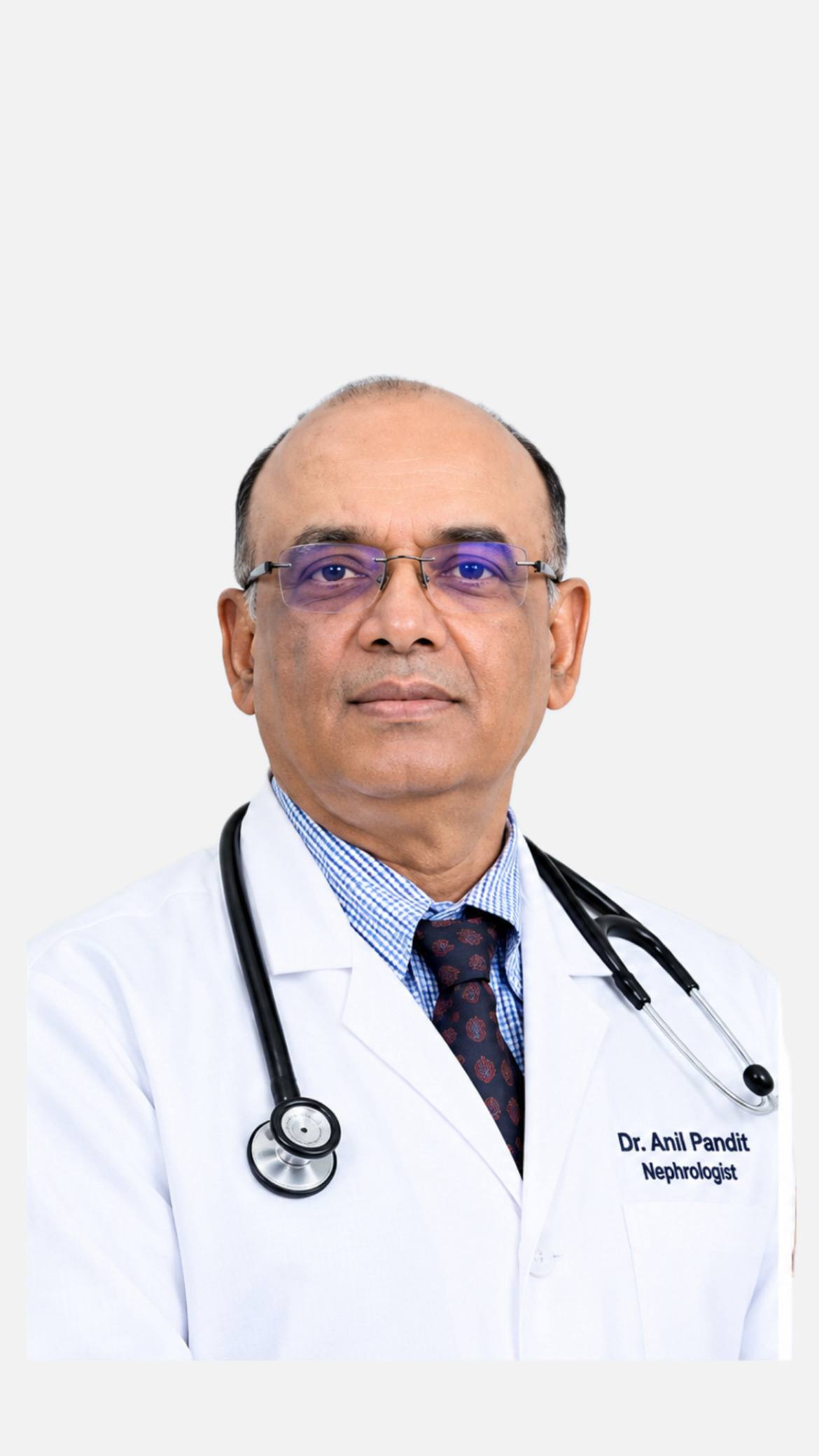
Atul Prasad
Toshkentda bolalar nevrolog shifokori
Nevrolog — bosh miya nevrologik buzilishlari va kasalliklarini davolash bilan shug'ullanuvchi mutaxassis. Nevrolog kattalarni ham, bolalarni ham davolashi mumkin. Mutaxassis oliy o'quv yurtida ta'lim oladi va qo'shimcha malaka oshiradi. Nevrologik kasalliklar alohida professionallikni talab qiladi, chunki ular bevosita asab tizimi ishiga ta'sir qiladi. Shuni ta'kidlash joizki, bolalar nevrologi bolaning o'zidan tashqari, uni kuzatib kelgan ota-onalarning so'zlarini ham albatta tinglaydi. Bu juda muhim, chunki kichkina bemor har doim ham shikoyatlarini to'g'ri yetkaza olmaydi va o'zini bezovta qilayotgan simptomlar haqida gapira olmaydi.
Nevrologik kasalliklarni davolash
Inson asab tizimi ishidagi muammo va nosozliklar turli sabablarga ko'ra yuzaga kelishi mumkin. Masalan, jarohat, boshga urilish va miya chayqalishi, sovqotish, infeksiya, giyohvand moddalar bilan zaharlanish va o'smalar. Nevrologik kasalliklar alomatlariga bosh og'rig'i, bosh aylanishi, xotira va kognitiv funksiyalarning yomonlashishi kiradi. Shunday holatni sezsangiz, malakali mutaxassislardan yordam so'rash muhim. Nevrologik kasalliklarning oldini olish uchun sog'lom turmush tarzini yuritish tavsiya etiladi. Zararli odatlardan — chekish va alkogoldan voz kechish eng yaxshisi. Kun tartibini yo'lga qo'yib, siz miya ishini va buzilgan bioritmlarni tiklashingiz mumkin.
Qabul qanday o'tadi
Mutaxassis anamnez yig'adi va shikoyatlarni tinglaydi. So'ngra bemorning vizual ko'rigi o'tkaziladi va nevrologik testlar kompleksi bajariladi. Mutaxassis xotira, diqqat va reflekslarni tekshiradi. Shuningdek, shifokor tashxisni aniqroq qo'yish uchun qo'shimcha tekshiruvga yo'llanma beradi. Qo'shimcha tekshiruv sifatida MRT, EEG qo'llanilishi mumkin. Zarurat tug'ilganda shifokor boshqa mutaxassislarga: psixolog va psixiatrga yo'naltirishi mumkin. Tashxis tasdiqlangandan so'ng nevrolog turli preparatlarni tayinlaydi: antipsixotiklar, neyroleptiklar, nootrop va antidepressantlar. Medikamentoz usullardan tashqari massaj, fizioterapiya va davolash jismoniy tarbiyasi usullari qo'llaniladi. Bundan tashqari, nevrolog sog'lom turmush tarzini yuritish bo'yicha tavsiyalar beradi. Shuningdek, shifokor kasallik kechishini nazorat qilish uchun kelish kerak bo'lgan qayta qabul sanasini belgilaydi. Ma'lumot qulaylik uchun elektron tibbiy kartada ko'rsatiladi, ish va o'qish joyiga yuboriladi.
Nevrologik kasalliklarni davolash
Problems and disruptions in the functioning of the nervous system in humans can arise for various reasons. For example, injuries, head bruises and concussions, hypothermia, infections, drug intoxication and tumors. Symptoms of neurological diseases include headaches, dizziness, and memory and cognitive decline. If you notice such a condition, it is important to seek help from qualified specialists. To prevent neurological diseases, it is recommended to lead a healthy lifestyle. It is best to give up bad habits: smoking and alcohol. By adjusting your daily routine, you can restore brain function and disrupted biorhythms.
Uchrashuv qanday ketmoqda?
The specialist collects anamnesis and listens to complaints. Next, a visual examination of the patient is carried out and a set of neurological tests is performed. The specialist tests memory, attention and reflexes. The doctor also gives a referral for further examination for a more accurate diagnosis. MRI and EEG can be used as additional examinations. If necessary, the doctor can refer you to other specialists: a psychologist and a psychiatrist. When confirming the diagnosis, the neurologist prescribes various drugs: antipsychotics, antipsychotics, nootropics and antidepressants. In addition to medicinal methods, massage, physiotherapy and physical therapy methods are used. In addition, the neurologist will give recommendations on maintaining a healthy lifestyle. The doctor will also set a date for a follow-up appointment, on the day of which you must come to monitor the course of the disease. The information is indicated in the electronic medical record for convenience and is sent to the place of work and study.
Mijozlarning sharhlari
Clients note the professionalism and responsibility of the specialists. You can see a doctor for free at a city clinic or visit a private hospital. To find a qualified doctor, it is better to pay attention to the reputation and reviews of the clinic and the specific specialist. To prevent the occurrence of neurological diseases, it is important to regularly visit a neurologist for an annual medical examination. Both children and adults undergo examinations every year. That is why you should consult a doctor not only when necessary.